How to Plan a Multi-Day Canoe Trip on the River Wye: Route, Campsites and Shuttle Logistics
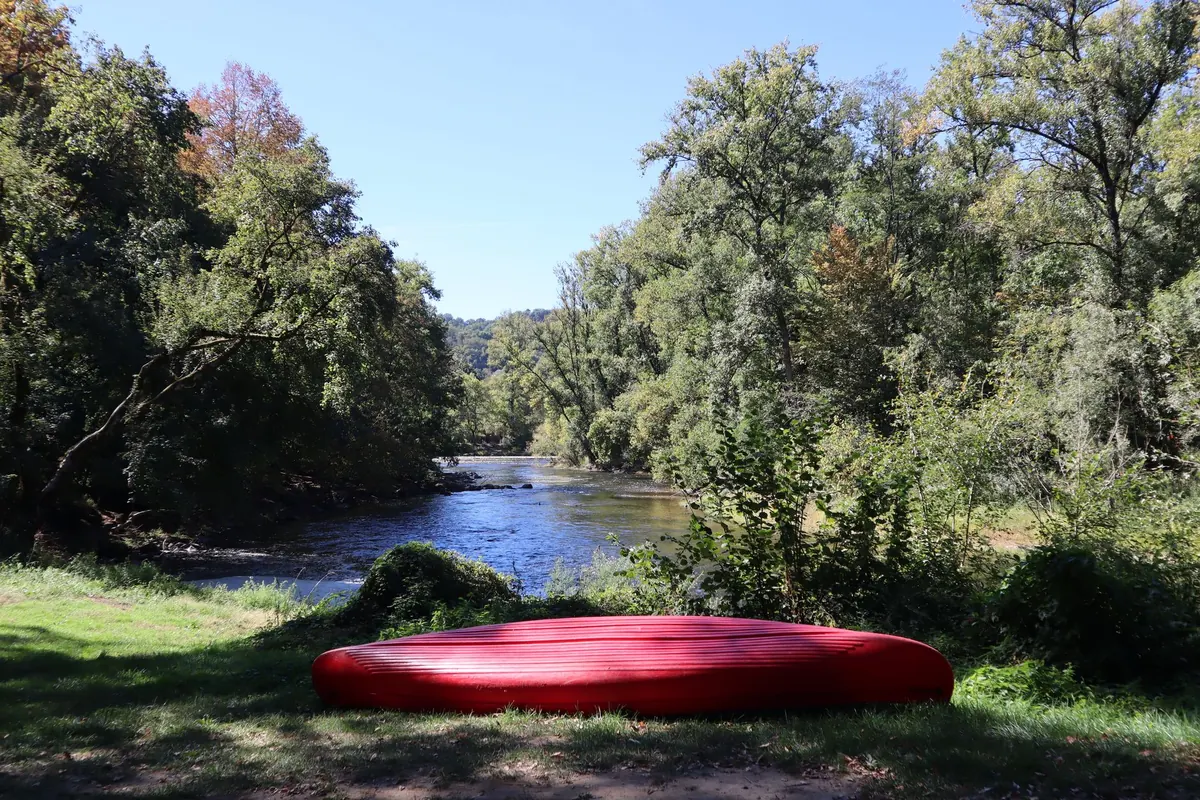
The River Wye is the best-known multi-day canoe river in England and Wales, and it earns that reputation honestly. The gradient is gentle, the navigation is long established, riverside campsites appear every few miles, and the scenery shifts from Welsh borders farmland to the limestone cliffs of the gorge below Ross-on-Wye. It is forgiving enough for a first expedition and interesting enough for people who have paddled it a dozen times.
Planning a trip comes down to four jobs: choose your stretch, fix your daily distances, book the campsites, and sort out the shuttle. Get those right and everything else is weather, food and dry bags.
Choosing Your Stretch and How Many Days
The river changes character as it runs south. Above Glasbury it is narrow and quick, with shingle riffles that punish a badly loaded boat. From Glasbury to Hay-on-Wye it stays lively and shallow. The middle section, Hay down to Ross-on-Wye, is the classic touring water: wide meanders, wooded banks, gravel beaches and most of the good campsites. From Ross to Monmouth the valley narrows into the gorge, the pace picks up around Symonds Yat, and below Monmouth the river turns tidal.
Two days is a taster. Three days is the shortest trip that feels like a journey rather than a long paddle. Four or five lets you build in a short day, a lie-in and an afternoon off the water, which is usually what people remember afterwards.
Working Out Daily Distances
Most groups of mixed ability are comfortable with 8 to 12 miles a day. Confident paddlers in light boats with a decent current can manage 15 to 18, but that is a working day, not a holiday. Add time for a headwind, low summer water where you drag over gravel, and the faff of loading and unloading at each end.
Two rules save a lot of grief. Keep day one short, because you will be slow while you work out where everything lives in the boat. And put the longest day second or third, once everyone has found a rhythm, rather than on the final morning when legs and shoulders are tired.
Reading the River: Hazards and Conditions
Shingle and riffles
Most of the Wye's faster water is shallow and forgiving. Pick a line early, keep the boat weighted centrally and lift your knees over the shallowest gravel. Standing up to look is rarely necessary and often ends badly.
Weirs and old mill structures
Several stretches carry weirs and remnants of former navigation works. Some are simple to run, others are not, and a chute that looks fine from upstream can be a different proposition at the lip. Inspect from the bank and portage if you are unsure. Never assume a weir is passable because someone else has gone over it.
Wind and water levels
The middle Wye runs through open country, and a steady upstream wind can halve your progress. After heavy rain the river rises quickly, turns brown and loses most of its eddies; the sensible move is to wait a day rather than prove a point. In a dry summer, low water means more scraping and slower going.
Tide below Monmouth
Downstream of Monmouth the Wye is tidal, the flow can reverse, and the banks are soft mud. If your plan finishes anywhere near Chepstow, work from a tide table, keep well clear of the estuary and treat that stretch as a serious piece of water rather than an extension of the touring river.
Campsites, Bookings and River Etiquette
Riverside campsites cluster around Hay-on-Wye, Whitney-on-Wye, Bredwardine, Hereford, Hoarwithy, Ross-on-Wye and Symonds Yat, with options near Monmouth if you are heading further. They range from basic farm fields with a tap and a loo to larger sites with showers and a shop. Peak summer weekends fill weeks in advance, so phone rather than email, and book every night before you commit to a route.
Questions worth asking when you call:
- Can we launch and land from the site, and is there a slipway or a steep bank?
- Can we leave a vehicle overnight, and is there a charge?
- What is the latest arrival time, and are fires or barbecues allowed?
- Is there a shop or pub within walking distance?
- What is the get-out like when the river is low?
Expect to pay per person per night, sometimes with a small landing fee. Keep noise down after dark, take all rubbish away with you, and avoid disturbing gravel beds in the autumn and winter spawning season. Landowners who welcome paddlers do so because paddlers behave well.
Sorting the Shuttle
Two-car shuttle
The simplest method: drive both vehicles to the get-out, leave one there with a note of your plans, then drive everyone back to the start. It costs nothing but time and a second driver, and it gives you a car at the finish for wet kit and tired children.
Hire companies and one-car trips
Outfitters along the valley will rent canoes, barrels and buoyancy aids, and many will move your vehicle or run a minibus shuttle as part of a package. If you are travelling in one car, this is usually the cheapest and least stressful answer. Book the shuttle when you book the boats, and confirm the exact meeting point and time in writing.
Buses, trains and taxis
There are bus services along parts of the valley and railway stations at Hereford and Abergavenny, but very few are within easy walking distance of a get-out. Taxis work well if booked ahead, though you must tell them you have canoes. Whatever you choose, park in a proper car park, leave nothing visible in the vehicle and check that overnight parking is actually permitted.
A Worked Example: Four Days from Hay to Ross
This is a comfortable introduction to the middle Wye. Distances are approximate, so check current maps and any route notes from your hire company.
- Day one: Hay-on-Wye to Bredwardine, around 10 miles. A gentle start with time to sort your packing and practise on the riffles.
- Day two: Bredwardine to Hereford, roughly 14 miles. The longest day, past Preston-on-Wye, with the city bridge as a satisfying finish.
- Day three: Hereford to Hoarwithy, about 12 miles. Quieter water, wooded banks and a good chance of kingfishers.
- Day four: Hoarwithy to Ross-on-Wye, around 10 miles. A short final morning, finishing under the sandstone cliffs with an afternoon to spare.
If that feels like too much, cut it to three days and finish at Hereford. A shorter trip you enjoy beats a longer one you endure.
Final Checks Before You Launch
Watch the forecast and the river level for several days beforehand, and be willing to postpone. Check tides if your route goes anywhere near Monmouth. Carry a spare paddle, a repair kit, a first aid kit and warm dry clothes in a properly sealed dry bag, and keep a phone in a waterproof case. Tell someone at home your route, your campsites and your expected finish time, and agree a check-in call each evening.
Cold water is the real risk on the Wye, even in summer, so dress for immersion rather than for sunshine and get back on the bank quickly if anyone goes in. If someone in your group has a medical condition, take advice from their doctor before committing to long days on the water, and consider a skills course or a guided trip if this is your first multi-day paddle.
Do that groundwork and the trip looks after itself: launch early, stop when you are tired rather than when you are broken, and leave a margin for the day the wind blows upstream.
Photo: El Capra / Pexels